The most effective home security tools don’t always come with blinking lights or wall-mounted control panels. In many cases, the smartest devices are the ones you barely notice—quietly gathering information, sending alerts, or creating a digital perimeter without altering how your home feels.
These gadgets slip into your space without drawing attention, and that’s precisely their strength. If you're rethinking how you secure your home, here are four subtle but impressively capable devices that do the job without demanding your attention.
Contact Sensors That Look Like Part of the Frame
Standard door and window sensors often stick out. They're boxy, usually white, and rely on clunky adhesive or screws. Enter the newer generation of recessed or flush-mounted contact sensors. These tuck inside the door frame or window casing, almost entirely hidden from view.
A good example is the Sensative Strip Guard. It’s just a few millimeters thick, and instead of sitting on the surface, it slides between the frame and the window or door. It uses Z-Wave, so it integrates with platforms like SmartThings or Hubitat. That makes it handy for custom routines—think: send a push alert if a window opens while you're out, or turn on lights if the back door is opened after dark.
Installation takes a bit more care. You can’t just peel and stick it. It requires a snug fit, and older homes with uneven frames might need minor adjustments. Battery replacement isn’t straightforward either. You’ll need to replace the entire sensor when the battery runs out, though they’re rated for up to ten years of use.
Still, if you want something that doesn’t disrupt your décor or scream “security system,” these sensors do their job without making their presence obvious.
Peephole Cameras That Don’t Look Like Cameras
Not everyone wants a traditional doorbell camera. Some apartment buildings don’t allow them. Others might not want their guests or delivery drivers knowing they’re being recorded. Peephole cameras offer an understated alternative.
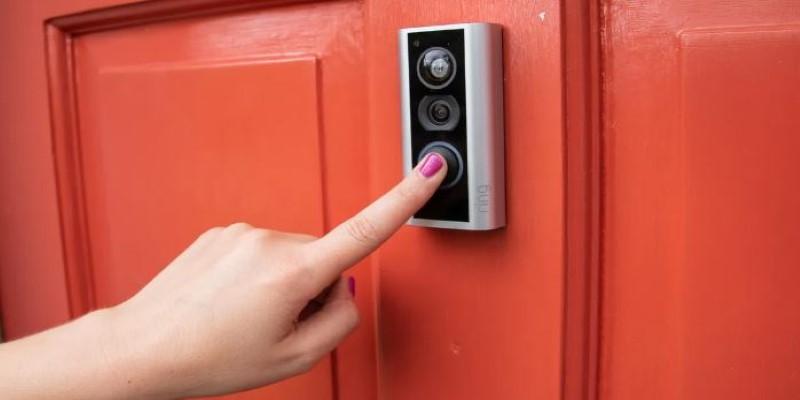
Devices like the Ring Peephole Cam (formerly known as Door View Cam) replace the existing peephole with a digital viewer that streams to your phone. From the outside, it still looks like a peephole. But it records video, detects motion, and supports two-way audio.
Where it shines is in shared entry setups. If you're in a walk-up where packages are often left in the hallway, this gives you visibility without needing to drill or wire anything. It runs on a rechargeable battery and connects over Wi-Fi. When someone knocks or presses the built-in sensor button, your phone gets a notification.
There are trade-offs. Night vision isn’t as sharp as more obvious outdoor cameras, and without a hardwired connection, you’ll need to recharge it every few weeks. But for subtle coverage in a multi-unit building, it's an option that doesn’t draw attention—or objections from your landlord.
Motion Sensors That Blend Into the Corner
Motion sensors aren’t new. But traditional models are either big domes on the ceiling or wall-mounted white rectangles. Newer models, like the Aqara P1 or the Eve Motion, are smaller, more efficient, and designed to stay out of sight.
These devices are best placed in a corner, above a shelf, or tucked behind a curtain. Once set up, they can trigger specific actions depending on time and location—like alerting you if motion is detected in the hallway when no one should be home. They also work well for lighting automation, especially if you don’t want to rely on timers.
The Aqara P1 uses Zigbee, which means it needs a hub. That’s a plus for people running complex smart home setups, but it might be a hurdle if you’re just starting out. On the flip side, it responds faster than Wi-Fi-based sensors and uses less battery. You’ll also have better control over sensitivity settings to avoid false triggers from pets or passing shadows.
If installed thoughtfully, most guests won’t even notice these tucked-away devices. And that’s the point—they do their job without interrupting yours.
Glass Break Sensors That Sit on the Shelf
Instead of placing physical sensors on every window, acoustic glass break sensors listen for the unique frequency of shattering glass. Some of these devices are small enough to sit on a bookshelf or blend into a tabletop display without standing out.
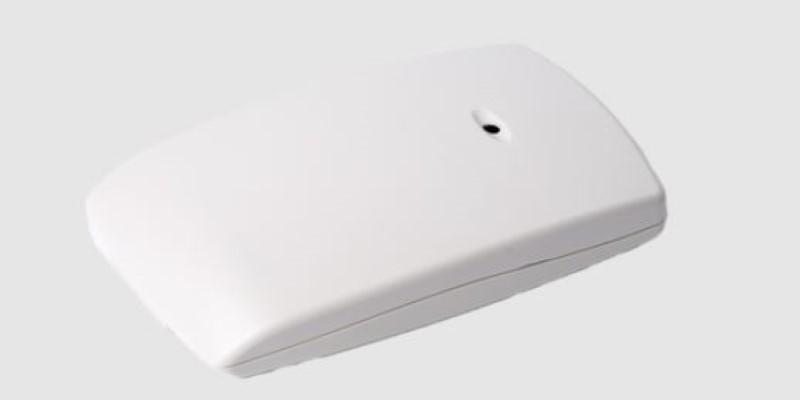
Take the Honeywell 5853 or the newer Resideo PROSIXGB. Both can be placed centrally in a room with multiple windows, listening for distinct audio cues like impact plus shatter. They're calibrated to ignore common household sounds like dishes clinking or a dropped cup.
These are particularly useful in rooms with large picture windows or sliding glass doors where traditional contact sensors might not be effective. The acoustic range is typically 15 to 25 feet, so placement matters. One sensor can usually cover an entire room if positioned right.
They're not foolproof—loud TVs or pets knocking over vases can occasionally cause false alerts—but most modern versions include adjustable sensitivity and pattern recognition to filter out background noise.
Their strength lies in how quietly they watch, patiently and constantly observing. They don’t need direct contact or obvious mounting; they just need to listen.
Conclusion
Invisible security doesn't mean ineffective. These four smart home security gadgets prove that you don't need bulky cameras or flashing lights to feel protected. They blend in with everyday surroundings, quietly doing their job without changing how your home looks or feels. From subtle motion sensors to disguised peephole cams, each tool brings a layer of safety that works in the background. Whether you live in a house, condo, or apartment, these low-profile devices offer reliable, discreet home protection. Ultimate peace of mind assured. They aren't flashy, and that's exactly the point. Peace of mind doesn’t always come from what you see, but often comes from what you don't.